

Last updated: October 17, 2026
If you’ve seen “Moderna” or “mRNA stocks” all over your feed, you’re not imagining it. Moderna’s share price has jumped more than 650% this year. The reason is a cancer vaccine. Here’s what happened, why it matters, and what could come next.
The Quick Answer
Moderna and Merck announced in August that their personalized mRNA cancer vaccine worked in a large Phase 3 trial for melanoma, a serious skin cancer. It was the first time any mRNA cancer treatment passed a trial this big. Investors suddenly saw Moderna as a cancer company, not just a COVID company, and the stock exploded.
The Backstory: From COVID Hero to Wall Street Hangover
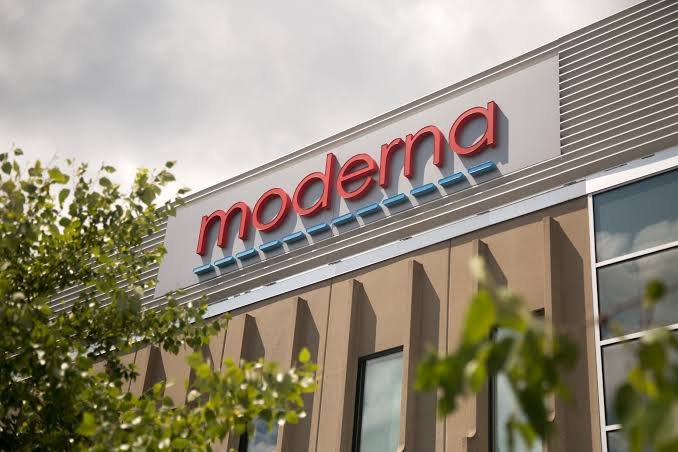
Moderna was founded in 2010 to build medicines using messenger RNA (mRNA), which gives your cells instructions to make a specific protein. For years it was a little-known biotech.
Then COVID-19 arrived. Moderna’s vaccine became one of the world’s most important products, and its stock peaked above $400 in 2021, with revenue of roughly $18–19 billion a year at the top.
When the pandemic ended, demand for COVID shots collapsed. Moderna’s sales fell sharply over the next two years, and its share price dropped to a fraction of its peak. By the start of 2026, the stock was trading at roughly $30, and many investors saw it as a pandemic one-hit wonder.
The Breakthrough: What Is an mRNA Cancer Vaccine?
This isn’t a shot that prevents cancer, like the HPV vaccine. It’s a treatment given after surgery to help stop cancer from coming back.
Here’s how it works:
- Doctors remove a patient’s tumor and sequence its DNA.
- Computers find the mutations unique to that tumor.
- A custom mRNA vaccine is made to teach the patient’s immune system to recognize those mutations.
- The patient gets the vaccine along with Merck’s immunotherapy drug Keytruda.
In the Phase 3 trial, which enrolled 1,137 patients with high-risk melanoma, the combination beat Keytruda alone. It delayed the cancer’s return and its spread to other organs, and no new safety problems appeared. It was reported as the first positive Phase 3 result for any mRNA cancer therapy.
Why the Stock Went Wild
The August news triggered one of biotech’s wildest two-day rides in years. Moderna jumped 177% in one day, then dropped about 20% the next. More fuel followed:
- Nasdaq-100 inclusion: Moderna joined the index on October 9, which forces index funds to buy the stock.
- Possible government support: Reports say the US National Institutes of Health plans to start a push in December to fast-track cancer vaccines. This came from trading-news sites, so treat the details with caution.
- Spillover to other mRNA stocks: Other vaccine and mRNA companies, including BioNTech, tend to move with Moderna on this news.
The Risks: Why Some Experts Are Cautious
- Valuation: Citigroup issued a Sell rating, warning that the stock has run into dangerous territory. Analyst price targets sit far below the current price.
- Incomplete data: The headline result was a summary. Almost no one outside the trial has seen the full numbers.
- Survival not proven yet: Researchers are still tracking whether patients live longer, not just stay cancer-free longer.
- Not every mRNA cancer shot works: BioNTech’s BNT113 recently missed its main goal in a late-stage trial.
- Complex manufacturing: Each dose is custom-made for one patient, which is hard to scale.
Moderna also fell nearly 10% on Friday as investors waited for the next data release.
What Happens Next: Future Ramifications
1. The ESMO conference (October 23–27). Moderna and Merck will present the full Phase 3 data in Madrid. If the details match the headline, confidence rises. If they disappoint, a sharp drop is possible.
2. Seeking approval. The companies are preparing to file for regulatory approval in melanoma. Approval would make this the first mRNA cancer vaccine on the market.
3. More cancers. The vaccine is already being tested in lung, kidney and bladder cancer, with small early tests in pancreatic and gastric cancer. Success there would be a much bigger opportunity than melanoma alone.
4. A wave of competition and investment. BioNTech and others are racing in the same field. A win for Moderna could pull more money into cancer vaccines overall.
5. Earnings on November 6. Moderna’s quarterly report is the next scheduled event.
For patients, the bigger story is hope. For investors, it’s a reminder that a single trial result can move a stock enormously in both directions.
Frequently Asked Questions
Why is Moderna stock up so much in 2026?
A positive Phase 3 result for its mRNA cancer vaccine, plus index inclusion and talk of government support.
Is the mRNA cancer vaccine approved?
No. It is still investigational, and the companies are preparing to seek approval.
Does the vaccine cure cancer?
No. It aims to lower the chance of melanoma returning after surgery.
Is it the same as the COVID vaccine?
It uses the same mRNA technology, but each cancer vaccine is custom-made from a patient’s own tumor.
Is Moderna stock a good buy now?
That depends on your goals and risk tolerance. Stocks that move this fast are very volatile.
Bottom Line
Moderna’s rally comes from real science, but the stock price has run far ahead of what’s proven. The ESMO data this month will show whether the excitement is justified.
This article is for information only and is not financial or medical advice. Do your own research or consult a licensed advisor before investing.
Sources: Seeking Alpha · 24/7 Wall St. · BigGo Finance · STAT News · American Pharmaceutical Review · Epoch Times