

In 2026, a baby’s DNA was repaired by a medicine built just for him. A paralyzed man spoke again using a device in his brain. Doctors started testing pig kidneys in people. And a simple blood test began to spot Alzheimer’s. This is not a movie. These are the biotech breakthroughs of 2026, and this article explains each one in plain words.
You don’t need a science degree to read this. Each section tells you what the problem was, what scientists did, what has really happened so far, and what is still missing. I have kept the hype out, because the true stories are exciting enough.
Facts checked up to October 2026.
The Story That Started a New Era
In August 2024, a baby boy named KJ Muldoon was born in Philadelphia. Soon he was weak and would not eat. Tests showed dangerous levels of ammonia in his blood. He had a very rare liver condition, and many babies with it do not survive.
Normally, a medicine for such a rare disease would take years and cost a fortune to build, and nobody would do it for one child. But a team of doctors and scientists did exactly that. In about six months, they designed a gene-editing treatment made only for KJ, and in early 2025 they gave it to him. It helped him eat more protein and need less of the medicine that lowers ammonia.
That one case showed the world something: medicine can be made for a single person. The rest of this article shows how that idea is spreading into every corner of health care.
Breakthrough 1: Medicine Made for Just One Person
The old problem
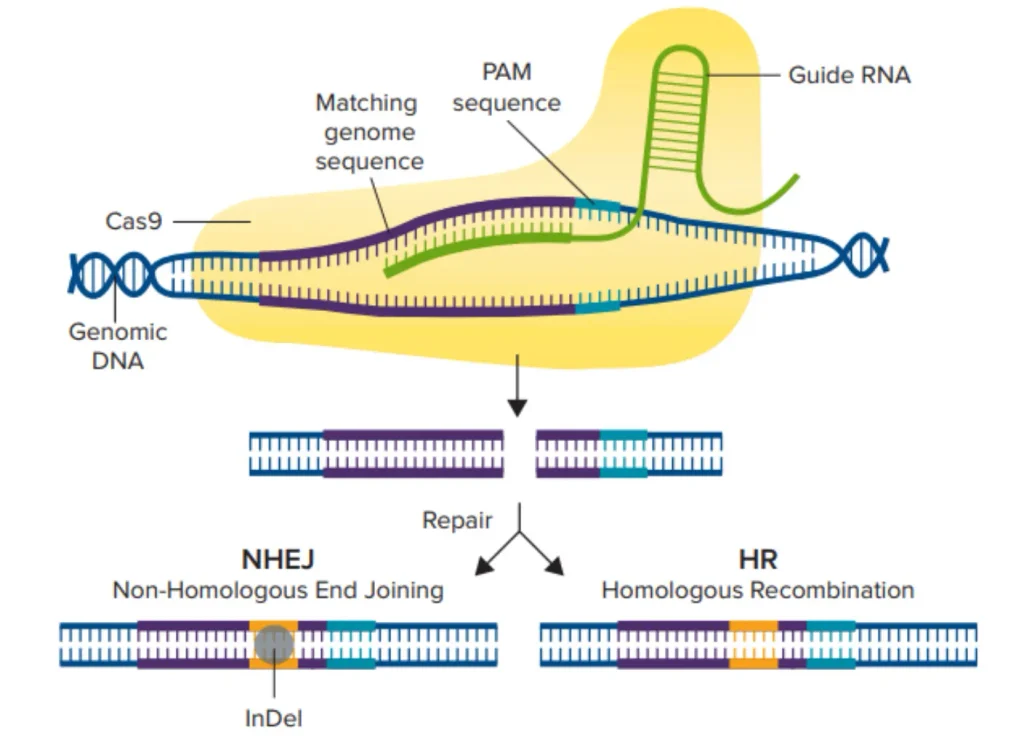
There are thousands of rare genetic diseases, and each one is caused by a tiny spelling mistake in DNA. A company has little reason to build a drug for a handful of patients. Under the old rules, each custom gene-editing therapy counted as a brand-new drug. Experts estimate that could mean more than $25 million and about four years per therapy.
The breakthrough
KJ’s doctors used base editing, a type of CRISPR that works like a pencil with an eraser. Instead of cutting the DNA, it changes one single “letter” to fix a mistake.
What happened in 2026
In February 2026, the US Food and Drug Administration published draft guidelines for a “plausible mechanism” pathway. In simple words, it is a faster road to approval for custom treatments. The idea is that patients with different mutations but similar disease could be studied together in one trial. Researchers have also described plans to build a flexible gene-editing platform for several liver-related rare diseases.
The catch
KJ’s doctors say they will follow him for years, and they can’t yet say how well the approach works over the long term. Custom therapies are also still very new. The road is open, but few have walked it so far.
Why it matters
If this works, a child with a one-in-a-million disease may someday get a medicine built for their exact DNA, in months instead of decades.
Breakthrough 2: Controlling Brain Cells With Light
The old problem
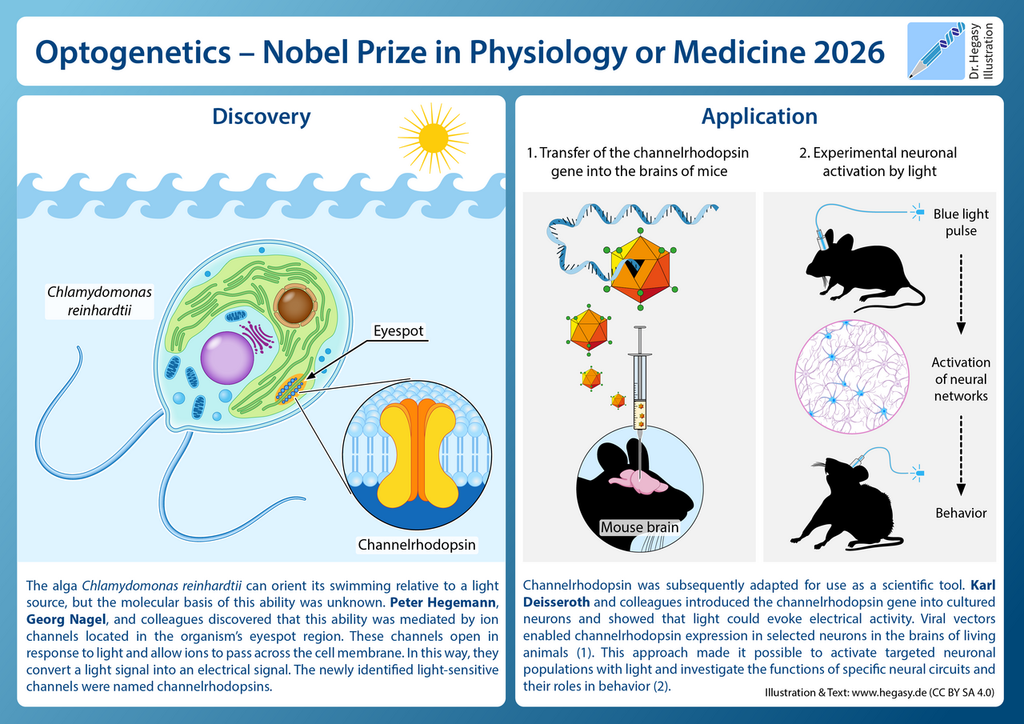
The brain has about 86 billion nerve cells. For a long time, scientists could not switch a single type of cell on or off to see what it does.
The breakthrough
A protein from a tiny pond alga reacts to light. When scientists put it into brain cells, they could turn those cells on with a flash of blue light. This method is called optogenetics.
What happened in 2026
This year, the Nobel Prize in Medicine went to Karl Deisseroth, Peter Hegemann and Georg Nagel for this discovery. It is now used in labs worldwide to study memory, fear, addiction and brain diseases, and early trials are testing it to bring back some vision in people with certain forms of blindness.
The catch
It needs a gene to be placed into cells, so it is still mostly used in research and in a few serious conditions.
Want the full story? Read our detailed guide: Nobel Prize in Medicine 2026: Optogenetics Explained Simply.
Breakthrough 3: Giving a Voice Back Through the Brain
The old problem
Diseases like ALS and brainstem stroke can leave a person fully awake and thinking clearly, yet unable to speak or move.
The breakthrough
A brain-computer interface (BCI) is a tiny implant that reads signals from the brain’s movement area. When a person tries to speak, a computer program decodes those signals into words, and AI makes the decoding more accurate.
What happened in 2026
- In June 2026, researchers at UC Davis reported in Nature Medicine that a man with paralysis used a speech BCI at home, for long periods, without a lab team around. Brain implants had mostly lived inside research labs until then.
- In September 2026, a UC San Francisco team showed a system that turns brain signals into both speech and gestures on a digital avatar, so the person can express more than just words.
The catch
These are small trials with a handful of people. The implants need brain surgery, and nobody yet knows how long they last across many years.
Why it matters
For someone trapped in a body that won’t respond, even a few words per minute can mean saying “I love you” again.
Breakthrough 4: Resetting the Immune System
The old problem
In lupus, the immune system attacks the person’s own body. Medicines can calm it down, but patients often need them for life, and some patients get no relief.
The breakthrough
CAR-T therapy was first built to fight blood cancers. Scientists change a patient’s T cells (immune soldiers) so they hunt down B cells, the cells that make the harmful antibodies in lupus. The hope is that the immune system “restarts” with healthy B cells.
What the evidence says
- In 2022, German doctors reported five severe lupus patients who stayed in remission without drugs after CAR-T treatment.
- In 2025, a review of 145 patients across 16 studies found most reached deep remission and were able to stop other immune-suppressing drugs.
- In June 2026, a trial at University College London reported early promising results in severe, treatment-resistant lupus.
- A newer idea is in vivo CAR-T, where the cells are changed inside the body instead of in a lab. In 2025, five lupus patients in China were treated this way, with encouraging results after three months.
The catch
The patient numbers are small and follow-up is short. Side effects such as cytokine release syndrome (a strong inflammatory reaction) can happen, and the treatment is still experimental for lupus.
Why it matters
The dream is one treatment instead of a lifetime of tablets.
Breakthrough 5: Pig Organs for People
The old problem
In the United States alone, around 12 people die every day waiting for a kidney transplant. There simply aren’t enough donors.
The breakthrough
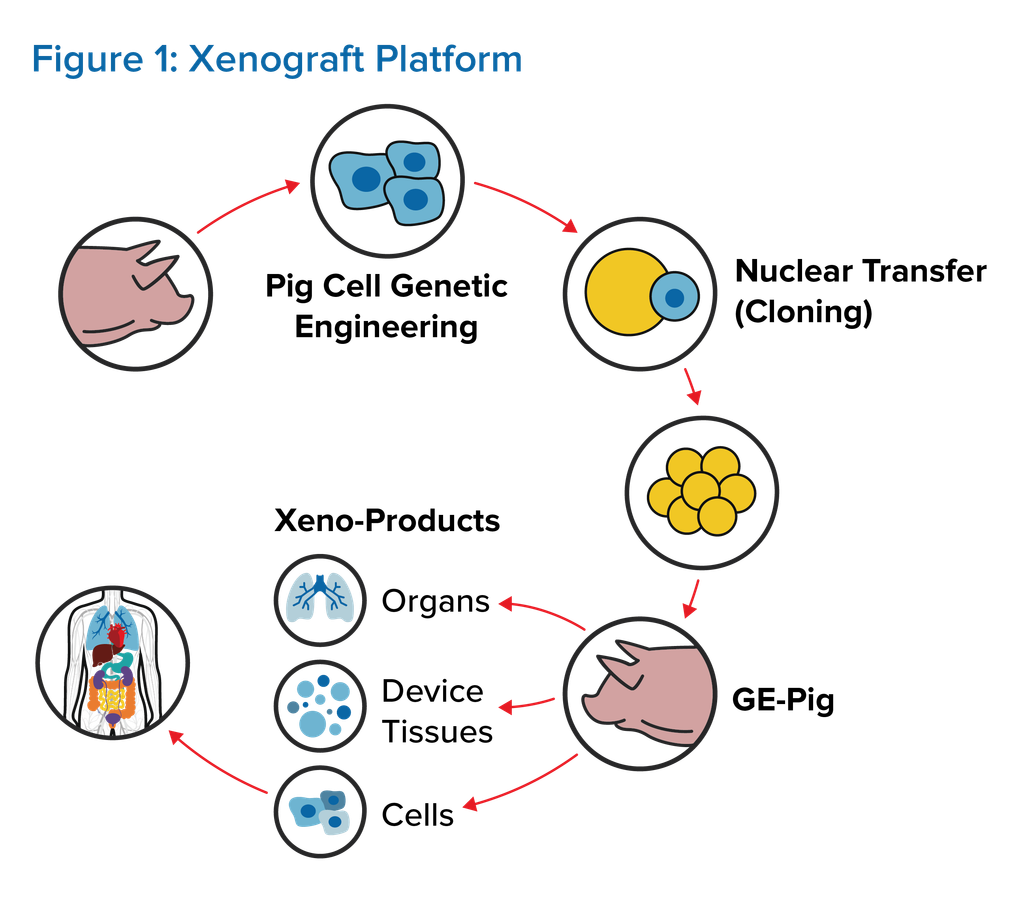
Xenotransplantation means using organs from another species. Scientists edit pig genes so that the human body is less likely to reject the organ. Two companies are running trials: United Therapeutics (a kidney with 10 gene edits) and eGenesis (a kidney with 69 gene edits).
Where things stand
Clinical trials have begun, and early results show that pig kidneys can work inside human bodies. Only a small number of hospitals take part so far.
Myth check
A pig kidney does not change your DNA. It stays genetically pig. It simply does the job of cleaning your blood.
The catch
Nobody knows yet how long these kidneys will last, and patients need strong medicines to stop rejection.
Why it matters
If it works, the organ shortage could one day shrink from a crisis into a solvable problem.
Breakthrough 6: A Blood Test for Alzheimer’s
The old problem
To check for Alzheimer’s-related changes in the brain, doctors often needed a PET scan or a spinal tap, which are expensive, hard to book and uncomfortable.
The breakthrough
A simple blood test can now measure a protein called p-tau217, which rises when the brain develops Alzheimer’s-type changes.
What happened in 2026
On 24 August 2026, the FDA cleared Roche’s Elecsys pTau217 test. It is the fourth Alzheimer’s blood test cleared in the US, and the first single-protein test that can help both confirm and rule out amyloid changes. It runs on lab machines already installed in thousands of hospitals.
The catch
- It is for adults aged 55 and older who already have memory or thinking problems. It is not a screening test for healthy people.
- It doesn’t diagnose Alzheimer’s alone, and it can’t predict who will get dementia later. Doctors use it together with other checks.
Why it matters
Faster answers mean families can plan sooner and get treatment sooner.
Breakthrough 7: Weight-Loss Pills
The old problem
Powerful weight-loss drugs like semaglutide are injections, and many people dislike needles or can’t easily use them.
The breakthrough
In December 2025, a pill version of Wegovy was approved. On 1 April 2026, the FDA approved Foundayo (orforglipron) from Eli Lilly. It is a small-molecule pill that works like the injectable drugs and can be taken at any time, without special rules about food or water.
Why it is clever
Older GLP-1 drugs are protein-like molecules that the stomach would destroy. Orforglipron is a small molecule, so the body can absorb it, and it should be easier to manufacture.
The catch
Experts say the pill doesn’t lose as much weight as the strongest injections. Side effects are mostly stomach-related, and it should not be mixed with other GLP-1 drugs.
Why it matters
Easier-to-take treatments can reach many more people, especially those who avoid needles.
Breakthrough 8: Medicines Designed by AI
The old problem
Making a new drug usually takes over a decade and costs billions, and most candidates fail.
The breakthrough
Companies now use AI to find disease targets and design the molecules to hit them. One example is rentosertib from Insilico Medicine, for a lung-scarring disease called idiopathic pulmonary fibrosis (IPF). Both the target and the molecule were found using generative AI.
What happened
In a Phase 2a trial of 71 patients published in Nature Medicine, patients on the drug improved their lung function by about 98 mL compared with placebo. Larger Phase 3 trials are being planned.
The honest picture
- No fully AI-designed drug has been approved anywhere yet.
- More than 170 AI-originated drug programs were in clinical trials in early 2026, but earlier analyses show AI-derived drugs pass Phase 2 at roughly the same rate as ordinary ones.
- AI speeds up the early stages, but trials in people still have to prove the drug works and is safe.
Why it matters
If AI shortens the early years of discovery, more diseases, including rare ones, could finally get a medicine.
The Big Pattern Behind All Eight
Look at the list again and a pattern appears:
- From treating to fixing. Gene editing repairs the cause instead of managing symptoms.
- From one-size-fits-all to made-for-you. Personal medicines and custom immune cells are made around one body.
- From late to early. Blood tests aim to catch disease earlier.
- From lab to home. Brain devices and pills are moving into everyday life.
- AI behind the scenes. It reads brain signals, designs molecules and speeds up research.
What This Means for You
If you’re a patient or family member: Many of these treatments are still in trials. Ask your doctor about clinical trials, and be wary of clinics that promise miracle cures.
If you’re a student: Biology, computing, engineering and data skills are all now part of medicine. These fields reward people who cross over between subjects.
If you’re a scientist or writer: Progress is real, but so are the limits. The best science communication includes both.
This article is for education only and isn’t medical advice. Talk to your doctor about your own health.
Frequently Asked Questions
What are the biggest biotech breakthroughs of 2026?
Personalized gene editing, optogenetics (the Nobel Prize in Medicine), speech brain-computer interfaces, CAR-T therapy for lupus, pig kidney transplant trials, Alzheimer’s blood tests, oral GLP-1 pills and AI-designed drugs.
Is personalized CRISPR available to everyone?
No. So far it has been used in a very small number of patients. The FDA’s new pathway aims to make it easier, but it will take time.
Can a blood test diagnose Alzheimer’s?
Not by itself. The newly cleared test helps doctors judge whether Alzheimer’s-type brain changes are likely in people 55 and older who already have symptoms. Doctors combine it with other checks.
Do pig kidney transplants change my DNA?
No. The kidney stays genetically pig. Only the pig’s genes are edited before the organ is used.
Has an AI-designed drug been approved yet?
Not as of October 2026. Rentosertib has promising Phase 2a results, but it still needs bigger trials.
Are these treatments safe?
Each has risks, which is why they are tested in trials first. Always follow your doctor’s advice.
Which breakthrough will help the most people?
Likely the ones that reach many patients easily, like blood tests and pills. The most dramatic ones, like gene editing and organ transplants, start small and grow.
Final Thoughts
A baby’s DNA repaired. A voice returned. A kidney grown in a pig. A blood test for a disease that once needed a hospital scan. Each of these was impossible not long ago. Science is not finished, and many of these stories are only beginning, but 2026 will be remembered as the year many of them moved from the lab into real lives.
Which breakthrough amazed you most? Tell us in the comments below!
Also Read
- Nobel Prize in Medicine 2026: Optogenetics Explained Simply
- Nobel Prize in Chemistry 2026: Kagan & Soai Explained Simply
References
- Walrath, R. & Oldach, L. “FDA says it wants individualized medicines. Can we get there?” Chemical & Engineering News, 4 Mar 2026. https://www.geneticsandsociety.org/article/fda-says-it-wants-individualized-medicines-can-we-get-there
- Palmgren, G. “FDA Pathway Could Make Bespoke CRISPR Therapies Viable.” CRISPR Medicine News, 22 Apr 2026. https://crisprmedicinenews.com/news/fda-pathway-could-make-bespoke-crispr-therapies-viable/
- MIT Technology Review. “Base-edited baby,” 12 Jan 2026. https://www.technologyreview.com/2026/01/12/1129999/gene-editing-base-edited-baby-personalized-drugs-2026-breakthrough-technology
- Nobel Prize Outreach. “Press release: Nobel Prize in Physiology or Medicine 2026.” https://www.nobelprize.org/prizes/medicine/2026/press-release/
- National Institutes of Health. “Brain-computer device helps man speak,” NIH Research Matters, 14 Jul 2026. https://www.nih.gov/news-events/nih-research-matters/brain-computer-device-helps-man-speak
- FOX 10 Phoenix. “Brain implant restores gestures, speech for some paralysis patients through virtual avatars,” 14 Sep 2026. https://www.fox10phoenix.com/news/brain-implants-restores-gestures-speech-paralysis-patients-through-virtual-avatars
- EMJ. “New Evidence Supports CAR-T Cells as a Potential Breakthrough in SLE Care” (ACR Convergence 2025). https://www.emjreviews.com/rheumatology/news/new-evidence-supports-car-t-cells-as-a-potential-breakthrough-in-sle-care/
- RheumNow / MedPage Today. “CAR-T Product Shows Early Promise in Lupus,” 23 Sep 2025. https://rheumnow.com/news/car-t-product-shows-early-promise-lupus
- UCL News. “CAR T-cell therapy shows early promise in severe lupus,” 12 Jun 2026. https://www.ucl.ac.uk/news/headlines/2026/jun/car-t-cell-therapy-shows-early-promise-severe-lupus
- National Kidney Foundation. “Pig Kidney Transplants in Humans: Xenotransplantation Explained by Experts,” 9 Apr 2026. https://www.kidney.org/news-stories/pig-kidney-transplants-humans-xenotransplantation-explained-experts
- Alzheimer’s Association. “Statement on FDA Clearance of Elecsys pTau217 Blood Test,” 24 Aug 2026. https://www.alz.org/news/2026/fda-clearance-elecsys-ptau217-blood-test-alzheimers
- Medical News Today. “FDA clears first single-biomarker blood test for Alzheimer’s: 4 experts.” https://www.medicalnewstoday.com/articles/fda-clears-first-single-biomarker-blood-test-alzheimers-4-experts
- Healio. “FDA approves orforglipron, an oral GLP-1, for adults with obesity,” 1 Apr 2026. https://www.healio.com/news/endocrinology/20260401/fda-approves-orforglipron-an-oral-glp1-for-adults-with-obesity
- AJMC. “FDA Approves Lilly’s Oral GLP-1 Orforglipron for Obesity,” 1 Apr 2026. https://www.ajmc.com/view/fda-approves-lilly-s-oral-glp-1-orforglipron-for-obesity
- Drug Discovery & Development. “Insilico’s AI-designed rentosertib shows promise in first phase 2a trial results.” https://www.drugdiscoverytrends.com/insilicos-ai-designed-rentosertib-shows-promise-in-first-phase-2a-trial-results/
- BioPharmaTrend. “AI-Designed Drug Reaches Clinical Validation: Insilico’s Rentosertib in Nature Medicine.” https://www.biopharmatrend.com/news/ai-designed-tnik-inhibitor-shows-lung-function-gains-in-ipf-1282/
Original Research Papers
- Mackensen, A., et al. (2022). Anti-CD19 CAR T cell therapy for refractory systemic lupus erythematosus. Nature Medicine. https://pubmed.ncbi.nlm.nih.gov/36109639/
- Wang, Q., et al. (2025). In vivo CD19 CAR T-cell therapy for refractory systemic lupus erythematosus. New England Journal of Medicine, 393(15), 1542-1544. https://doi.org/10.1056/NEJMc2509522